polaroid snap camera user guide
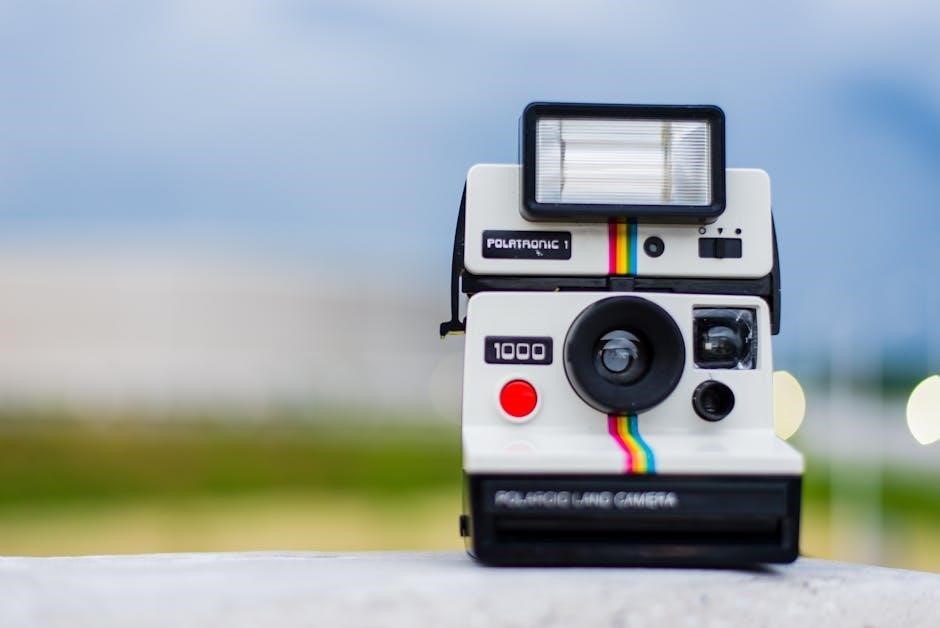
The Polaroid Snap is a digital camera blending instant gratification with modern technology, offering a fun and accessible photography experience․
Its roots trace back to the pioneering Polaroid instant cameras of 1948, evolving into a compact, user-friendly device for today’s photographers;
What is a Polaroid Snap Camera?
The Polaroid Snap is a compact digital camera distinguished by its ability to instantly print photos – a modern take on classic instant photography․ Unlike traditional digital cameras requiring separate printing, the Snap combines capture and output into one streamlined process․
It utilizes Zink (Zero Ink) technology, eliminating the need for ink cartridges; colors are embedded within the special paper․ This camera is designed for immediate enjoyment, offering a fun, retro-inspired experience for casual photographers․
Brief History of Instant Cameras & Polaroid
Polaroid revolutionized photography in 1948 with the Polaroid 95, the world’s first commercially successful instant camera․ This innovation allowed for self-developing photos, captivating the public and establishing Polaroid as a household name․
For decades, Polaroid dominated the instant photography market, but faced challenges with the rise of digital cameras․ The Polaroid Snap represents a revival, blending the nostalgia of instant prints with contemporary digital convenience, continuing the legacy of instant gratification․
Unboxing and Camera Overview
The Polaroid Snap package includes the camera, a Zink paper pack, a USB cable, and a quick start guide for immediate use and exploration․
What’s in the Box?
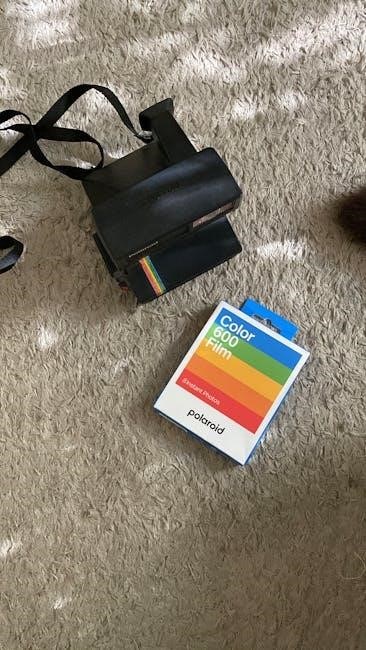
Upon opening your Polaroid Snap package, you’ll discover several essential components to get you started․ Included is the Polaroid Snap digital camera itself, ready for instant photo fun․ A pack of Zink (Zero Ink) paper is provided, enabling immediate printing of your captured memories;
You’ll also find a USB cable for connecting the camera to your computer, facilitating photo transfer and potential software updates․ Finally, a quick start manual offers a concise overview of the camera’s basic functions and operations, ensuring a smooth initial setup․
Key Features of the Polaroid Snap
The Polaroid Snap boasts several standout features․ It captures 10-megapixel images, delivering decent quality for instant prints; Zink paper technology eliminates the need for ink cartridges, simplifying the printing process․ An SD card slot allows for expanded storage, preserving your digital photos beyond immediate prints․
Furthermore, it offers creative shooting modes like black & white and vintage, adding artistic flair․ Its compact and lightweight design ensures portability, making it ideal for on-the-go photography and instant sharing with friends and family․
Camera Anatomy: Buttons and Ports
The Polaroid Snap features a straightforward layout․ The power button initiates operation, while the shutter button captures photos․ A mode button cycles through shooting options like black & white or vintage․ The Zink paper eject slot releases printed photos․
On the side, you’ll find the SD card slot for expanded memory and a micro-USB port for computer connectivity and charging․ These ports facilitate data transfer and ensure the camera remains powered for capturing and printing memories․
Getting Started: Basic Operations
Initial setup is simple: power on the camera, load Zink paper into the designated slot, and optionally insert an SD card for extra storage․
Powering On/Off the Camera
To power on your Polaroid Snap, simply press and hold the power button, typically located on the side or top of the camera, for a few seconds․ You’ll know it’s on when the screen illuminates․
To power off, repeat the same process – press and hold the power button until the screen goes dark․ Ensure the camera is fully off to conserve battery life when not in use․ A quick press won’t turn it off!
Loading Zink Paper
Loading Zink paper is crucial for printing․ Open the Zink paper compartment, usually located at the bottom of the camera․ Insert the Zink paper pack, ensuring the blue side faces down․
The camera automatically detects the paper type and quantity․ Avoid forcing the pack; it should slide in smoothly․ Incorrect loading can cause printing errors․ Always use genuine Zink paper for optimal results and to protect your camera․
Inserting an SD Card
Inserting an SD card allows you to save photos digitally․ Locate the SD card slot on the camera’s side․ Gently guide the SD card into the slot until it clicks into place․
Ensure the card is oriented correctly – typically label-side up․ Do not force the card․ The camera supports specific SD card capacities; check your manual․ Properly inserted, the camera will recognize the card for image storage․
Taking Photos
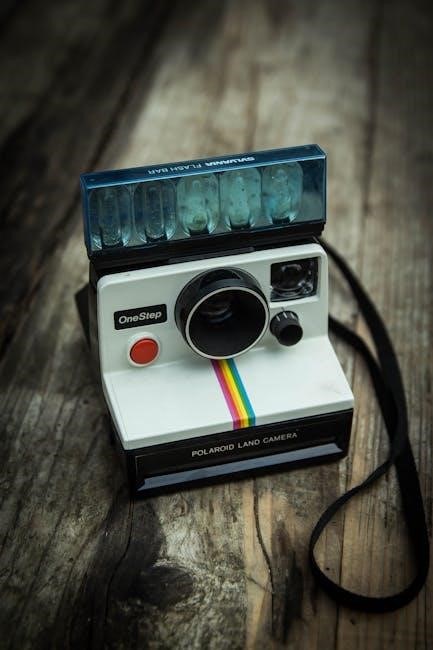
The Polaroid Snap captures images instantly! Simply frame your shot and press the shutter button․ Photos are printed immediately, offering a classic, tangible experience․
Basic Photo Shooting Mode
To begin taking photos with your Polaroid Snap, ensure the camera is powered on and Zink paper is loaded․ Frame your subject through the viewfinder, and gently press the large shutter button located on top of the camera․ The camera will instantly capture the image and begin the printing process․
The Snap automatically adjusts settings for optimal results in most lighting conditions․ Remember, each photo utilizes one sheet of Zink paper, so compose carefully before pressing the shutter!
Using the Self-Timer
The Polaroid Snap’s self-timer feature allows you to include yourself in group photos or capture images from a distance․ To activate it, press the mode button until the self-timer icon appears on the LCD screen․ The camera will then automatically take a picture after a short delay – typically around 10 seconds․
Ensure you’re positioned and ready before activating the timer, as the countdown is brief․ Press the shutter button to initiate the self-timer sequence․
Adjusting Photo Quality Settings
The Polaroid Snap primarily captures images at a fixed resolution of 5 megapixels, optimized for Zink paper printing․ While extensive quality adjustments aren’t available, you can influence the final result through lighting and composition․ The camera focuses on simplicity, prioritizing ease of use over granular control․
Experiment with different lighting conditions and framing to achieve your desired aesthetic․ Remember, the Zink paper size impacts perceived detail․
Printing Photos
Printing with the Polaroid Snap is straightforward: after capturing a photo, simply initiate the print process, utilizing Zink paper for instant, full-color results․
Initiating Print Process
To print a photo immediately after taking it, press the print button located on the side of the Polaroid Snap camera․ The camera will then begin the printing sequence, feeding the Zink paper through its internal mechanism․
The image will gradually appear as the paper emerges․ Remember that each photo captured is automatically saved to the camera’s internal memory and can be printed as needed, or transferred to an SD card for storage․
Understanding Zink Paper Technology
Zink (Zero Ink) paper is a core component of the Polaroid Snap’s printing process․ Unlike traditional instant cameras, it doesn’t require ink cartridges․ Instead, the Zink paper itself contains embedded dye crystals that activate when heated․
This heat activation creates the full-color image․ The paper’s special coating also protects the print from fading and provides a durable, smudge-proof finish, ensuring lasting memories with each snapshot․
Troubleshooting Print Issues
Printing problems with the Polaroid Snap often stem from Zink paper issues․ Ensure the paper is loaded correctly, with the glossy side facing up․ If prints are blank or faded, verify the Zink paper pack isn’t expired․
Also, check for error messages on the camera’s display․ Restarting the camera can sometimes resolve minor glitches․ If issues persist, try a different pack of Zink paper to rule out a paper defect․
Advanced Features & Modes
The Polaroid Snap offers creative modes like Black & White, Vintage, and Photo Booth, expanding photographic possibilities beyond standard instant prints․
Black & White Mode
Black & White Mode on the Polaroid Snap allows users to capture timeless, monochromatic images, evoking a classic photographic aesthetic․ This mode transforms your snapshots into striking black and white prints, offering a different artistic perspective․ To activate it, navigate through the camera’s settings using the mode button, selecting the black and white option․
This feature is ideal for portraits, landscapes, or any subject where you want to emphasize form, texture, and contrast, creating visually compelling results․
Vintage Mode
Vintage Mode on the Polaroid Snap adds a nostalgic touch to your photos, simulating the look of aged, classic Polaroid prints․ This mode applies warm tones, softened contrast, and subtle imperfections, replicating the charm of vintage instant photography․ Access this mode through the camera’s settings menu, selecting the ‘Vintage’ option․
It’s perfect for creating photos with a retro feel, adding character and a unique aesthetic to your memories, reminiscent of cherished family albums․
Photo Booth Mode
Photo Booth Mode on the Polaroid Snap is designed for fun, spontaneous group shots! The camera automatically captures a series of three photos in quick succession, allowing you to select the best one or create a playful photo strip․ Activate this mode via the camera’s settings․
It’s ideal for parties and gatherings, encouraging candid moments and providing instant, shareable memories with friends and family – a modern twist on classic photo booth experiences․

Connectivity & Software
The Polaroid Snap connects to computers via USB for photo transfer․ A dedicated app, if available, enhances editing and sharing capabilities, alongside software updates․
Connecting to a Computer via USB
To connect your Polaroid Snap to a computer, use a standard USB cable․ Ensure the camera is powered off before connecting․ Once connected, power on the camera; your computer should recognize it as a removable storage device․
You can then access and transfer photos from the SD card directly․ Drag and drop files or utilize your computer’s import function․ Safely eject the camera before disconnecting the USB cable to prevent data corruption․
Using the Polaroid Snap App (if applicable)
While not universally available for all Snap models, a dedicated Polaroid Snap app (if present) enhances your experience․ It allows for remote camera control, photo editing features like filters and adjustments, and seamless sharing to social media platforms․
The app also facilitates software updates for your camera, ensuring optimal performance and compatibility․ Check the app store for availability and download instructions specific to your Polaroid Snap model․
Software Updates & Compatibility
Maintaining updated software is crucial for optimal Polaroid Snap performance․ Updates, often delivered through the companion app (when available), address bugs, enhance features, and improve compatibility with SD cards and operating systems․
Regularly check for updates to ensure smooth operation․ Compatibility generally extends to standard SD cards and computers running recent versions of Windows and macOS․ Refer to Polaroid’s official website for detailed compatibility information․
Memory Management
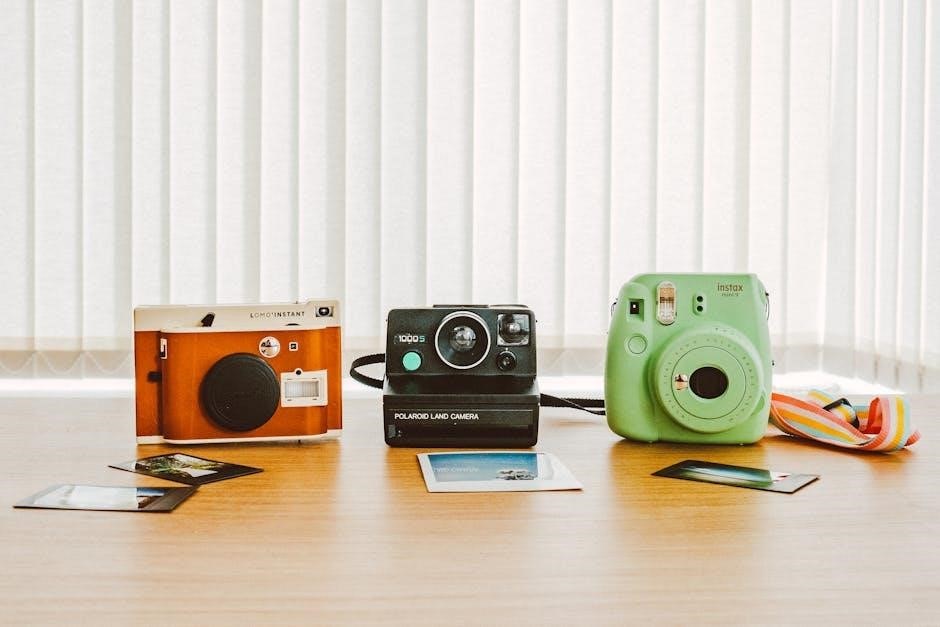
The Polaroid Snap features built-in memory for single prints and an SD card slot for expanded storage, allowing users to save and print images conveniently․
SD Card Capacity & Compatibility
Your Polaroid Snap utilizes SD cards to store numerous photos beyond the internal memory’s single-image capacity․ The camera accepts standard SD cards, and compatibility extends to SDHC cards as well․ While the maximum supported capacity isn’t explicitly stated, testing with 32GB cards has proven successful for most users․
Larger capacity cards may function correctly, but are not officially guaranteed․ Ensure the SD card is formatted correctly (FAT32 is recommended) for optimal performance and to avoid potential read/write errors․
Deleting Photos from the SD Card
To delete photos from your Polaroid Snap’s SD card, navigate to the playback mode using the camera’s buttons․ Select the image you wish to remove and access the delete function within the camera’s menu system․ Confirm the deletion when prompted․
Deleted photos are typically unrecoverable, so exercise caution․ Regularly deleting unwanted images frees up valuable space on your SD card, allowing you to capture more memories․ Remember to back up important photos before deleting!
Formatting the SD Card
Formatting the SD card erases all data, preparing it for optimal performance with your Polaroid Snap․ Access the formatting option through the camera’s settings menu․ Be absolutely certain to back up any desired photos before proceeding, as formatting is irreversible․
Formatting can resolve card errors and improve read/write speeds․ It’s recommended periodically, especially after transferring many files or experiencing performance issues․ Ensure the camera has sufficient battery life before initiating the format process․
Troubleshooting Common Issues
Common problems include power failures, printing errors, and SD card malfunctions․ These can often be resolved with simple checks and resets of the device․
Camera Not Powering On
If your Polaroid Snap fails to power on, first ensure the battery is adequately charged․ Connect the camera to a power source using the provided USB cable and allow it to charge for a sufficient duration․
If charging doesn’t resolve the issue, try a different USB cable and power adapter to rule out a faulty connection․ Also, verify the power button is being pressed firmly and held for a few seconds․ A complete reset might be necessary; consult the full user manual for instructions․
Printing Errors
Encountering printing issues with your Polaroid Snap? First, confirm Zink paper is loaded correctly, ensuring the blue side faces up․ Check for paper jams – gently remove any obstructions․
Low battery can also cause printing failures; recharge the camera․ If errors persist, try a fresh pack of Zink paper, as older paper may be expired․ Refer to the troubleshooting section of the user manual for specific error codes and solutions, or contact Polaroid support․
SD Card Errors
Experiencing issues with your SD card? Ensure the card is properly inserted into the slot․ If the camera doesn’t recognize it, try a different SD card to rule out a card failure․
Formatting the SD card within the camera can often resolve errors; remember this will erase all data․ Verify the SD card is compatible with the Polaroid Snap – check the specifications for supported capacities․ A corrupted card may require reformatting or replacement․
Care and Maintenance
Keep your Polaroid Snap in optimal condition by regularly cleaning the lens and storing it in a cool, dry place to prolong battery life․
Cleaning the Camera Lens
Maintaining a clean lens is crucial for optimal image quality with your Polaroid Snap․ Use a soft, lint-free microfiber cloth to gently wipe away dust, fingerprints, and smudges․ Avoid using harsh chemicals, abrasive cleaners, or excessive liquid, as these can damage the lens coating․
For stubborn marks, lightly dampen the cloth with lens cleaning solution specifically designed for camera lenses․ Always ensure the cloth is only slightly damp, not wet, before wiping․ Regular cleaning will help ensure clear and vibrant photos every time you use your Polaroid Snap camera․
Storing the Camera Properly
Proper storage extends the life of your Polaroid Snap․ When not in use, store the camera in a cool, dry place, away from direct sunlight and extreme temperatures․ A camera bag or case offers excellent protection against dust and accidental impacts․
Remove the batteries if the camera will be stored for an extended period to prevent potential corrosion․ Avoid storing the camera in humid environments, as moisture can damage internal components․ Careful storage ensures your Polaroid Snap remains ready for your next photographic adventure․
Battery Life & Charging
The Polaroid Snap utilizes rechargeable batteries, providing power for both capturing and printing photos․ Battery life varies depending on usage, with frequent printing reducing overall lifespan․ A full charge typically allows for numerous prints and photos․
Charge the camera using the provided USB cable and a compatible power adapter․ Avoid overcharging, as it can damage the battery․ Monitor the battery indicator on the camera to track remaining power and ensure you’re always ready to capture memories․
Safety Precautions
Handle Zink paper with care, avoid extreme temperatures, and dispose of batteries responsibly to ensure safe operation and longevity of your Polaroid Snap․
Handling Zink Paper Safely
Zink paper, crucial for instant prints, requires careful handling․ Store it in a cool, dry place, away from direct sunlight and moisture to prevent damage and ensure optimal print quality․ Avoid touching the photo-sensitive side of the paper, as oils from your skin can affect the image․
Always follow the manufacturer’s instructions for loading and using Zink paper, and dispose of used paper responsibly, adhering to local recycling guidelines․
Avoiding Extreme Temperatures
Protect your Polaroid Snap from both intense heat and frigid cold․ Prolonged exposure to high temperatures can damage the camera’s internal components and affect Zink paper performance, leading to faded or distorted prints․ Similarly, extreme cold can reduce battery life and potentially cause malfunctions․
Store and operate the camera within the recommended temperature range to ensure longevity and consistent performance․
Proper Disposal of Batteries
Responsible battery disposal is crucial for environmental safety․ Do not discard batteries with general household waste․ They contain potentially harmful materials that can contaminate the environment․ Instead, locate a designated battery recycling drop-off point in your community․
Many retailers also offer battery recycling programs․ Always follow local regulations regarding battery disposal to ensure proper handling and minimize environmental impact․

Specifications
The Polaroid Snap boasts a 10MP sensor, Zink Zero Ink Printing, and an SD card slot for expanded storage, delivering convenient instant photo solutions․
Technical Specifications of the Polaroid Snap
Image Sensor: 10-megapixel CMOS sensor captures detailed images․ Printing Technology: Utilizes Zink (Zero Ink) technology for borderless, full-color 2×3 inch prints․ Storage: Includes an SD card slot supporting up to 32GB for saving photos․ Connectivity: Features a Micro-USB port for data transfer and charging․ Power: Operates on a rechargeable Lithium-ion battery․ Dimensions: Compact and portable design․ Weight: Lightweight for easy handling․ Photo Resolution: Offers various resolution options for both printing and digital storage․
Zink Paper Specifications
Paper Type: Zink paper is a composite material embedded with dye crystals that activate upon heating․ Paper Size: Specifically designed for the Polaroid Snap, it produces 2×3 inch prints․ Paper Finish: Offers a durable, smudge-proof, and water-resistant finish․ Sheet Count: Typically sold in packs of 20 or 30 sheets․ Storage: Zink paper should be stored in a cool, dry place, away from direct sunlight․ Compatibility: Exclusively compatible with Zink-enabled Polaroid cameras․
Frequently Asked Questions (FAQ)
Q: What type of paper does the Snap use? A: It utilizes Zink paper – zero ink! The paper contains dye crystals activated by heat․ Q: Can I reuse Zink paper? A: No, Zink paper is single-use only․ Q: What SD card size is compatible? A: Supports up to 32GB microSD cards․ Q: Why are my prints blurry? A: Ensure the lens is clean and the camera is held steady․ Q: How do I update the firmware? A: Check the Polaroid website for updates and instructions․
Leave a Reply
You must be logged in to post a comment.